
Category: Business

Why Product Grouping Matters More Than the Number of Shelves

Customers Need to Understand What They Are Looking At

A store can have plenty of shelving and still make shopping harder than it needs to be. Products might be neatly arranged, labels facing forward, and every shelf properly stocked, yet customers still struggle to find what they want. Often, the problem is not the fixtures themselves but how the merchandise has been grouped.

Good product grouping helps customers understand the range without having to examine every item individually. It also makes it easier for staff to replenish stock and notice when something is missing.

This becomes particularly important in stores selling several variations of similar products, where a little organisation can make a big difference.

Give Each Section a Clear Purpose

Before arranging merchandise, decide what each shelf or section is meant to achieve. Products might be grouped by type, size, colour, price, or intended use. The right approach depends on what customers are likely to compare when making a purchase.

For example, a homeware shop might group products by room or function, while an accessories retailer may organise items by category and then separate them by style. The arrangement should reflect how people actually shop rather than simply following the order in which stock arrives.

Glass display shelving can be useful for creating these distinct product groups without making the fixture visually overpower the merchandise. Its relatively unobtrusive appearance allows products to remain visible, which can help when displaying several related items in a limited area.

The shelving itself, though, cannot fix a confusing assortment. That comes down to deciding what belongs together and making the arrangement consistent.

Make Comparisons Straightforward
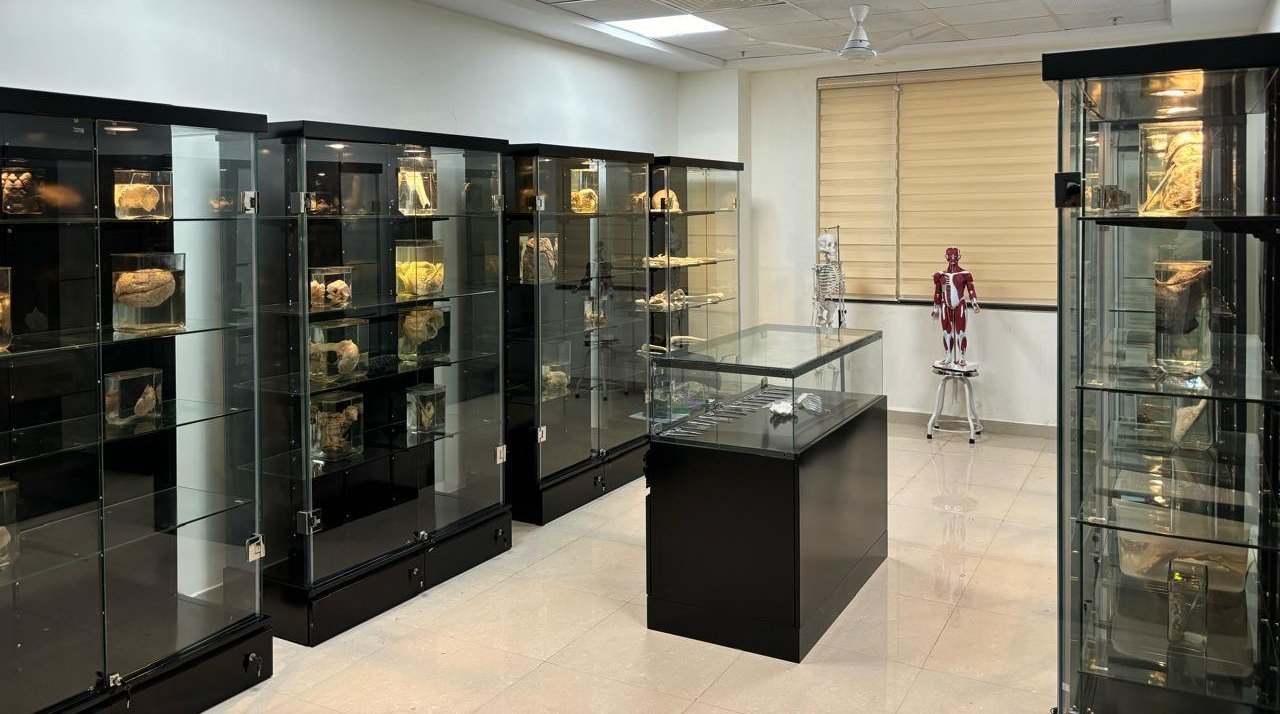
Display Case

Customers often want to compare several products before deciding which one to buy. If similar items are scattered across different parts of a display, they have to keep moving back and forth to see the differences.

Keep comparable products close together wherever practical. Variations in size, colour, material, or price should be easy to identify, with labels positioned where shoppers can read them without picking everything up.

There is no need to display every possible variation at the front if stock is limited. A representative selection can work, provided customers can understand the options and staff can retrieve alternatives when needed.

Leave Enough Room for the Merchandise

Shelving should suit the products rather than force them into an awkward arrangement. Large items need enough clearance to be seen properly, while smaller merchandise may need trays, dividers, or other organisers to stop the display looking scattered.

Avoid filling every shelf simply because the space is available. When products are packed too tightly, customers may overlook individual items or struggle to remove something without disturbing the rest of the display.

On the other hand, spreading a small amount of stock across too many shelves can make the range look incomplete. The aim is to find a sensible balance between variety and space.

Keep Replenishment Simple

Product grouping should make daily work easier as well as improve the customer experience. When each category has a consistent location, staff can refill shelves more quickly and spot gaps without checking the entire fixture.

It also helps to consider stock rotation and product changes. If a new range arrives, can it fit into the existing layout without forcing staff to rearrange everything? If one category sells much faster than another, is there enough flexibility to adjust the space it receives?

These questions are worth answering before a display becomes difficult to manage.

Review the Arrangement Regularly

A product layout that works well at first may become less effective as stock levels and customer preferences change. Watch which items customers pick up, which sections regularly become untidy, and where products tend to run out first.

Make adjustments based on those observations instead of assuming the original arrangement must stay in place.

A useful display is not just one that looks organised on opening day. It should help customers find and compare products while making the store easier to maintain. Clear grouping, appropriate shelf spacing, and a little flexibility often achieve more than simply adding extra shelving.

Why Factory Due Diligence Is Essential for Global Buyers

The Hidden Dangers of Unverified Suppliers

In international sourcing, one of the most significant risks lies in working with unverified suppliers. While many manufacturers present themselves as legitimate businesses, some may be trading companies posing as factories, or worse, fraudulent entities with no production capabilities. Importers who skip due diligence open themselves up to financial losses, legal challenges, and damaged reputations.

Verifying suppliers is not simply about checking a business license — it’s about confirming ownership, management structures, production capacity, and compliance with both local and international standards.

Audits as a Strategic Investment

Conducting a thorough audit of a supplier before placing large orders is an investment in risk reduction. Audits uncover whether a factory truly has the equipment, staff, and processes they claim to possess. They also provide insight into management systems, certifications, and quality control measures.

quality assurance insights and guides

For buyers who want to stay current on global sourcing practices and learn from expert analysis, resources such as quality assurance insights and guides offer practical tips on managing supplier relationships.

Comprehensive vs. Basic Factory Reviews

Not every importer needs the same level of detail in a factory review. For higher-value or high-risk products, a full audit covering ownership, production capacity, testing facilities, and compliance is recommended. For lower-risk orders, a scaled-down review may be sufficient.

To make informed decisions, many buyers rely on independent factory and supplier audit services that provide objective evaluations before contracts are finalized. These audits give clarity on whether a supplier can meet both quality and ethical expectations.

Strengthening Long-Term Supply Chains

Audits aren’t just a safeguard at the beginning of a relationship — they help maintain long-term supply chain stability. By holding suppliers accountable to consistent standards, importers can reduce product recalls, avoid compliance failures, and ensure smoother repeat transactions. Over time, this strengthens trust and encourages suppliers to maintain higher performance levels.

International buyers can’t afford to gamble on unverified suppliers. Factory audits are an essential tool for minimizing risk, ensuring product quality, and building sustainable global partnerships. Treating audits as a strategic part of procurement pays dividends in both cost savings and brand protection.

Revolutionize Your App Development Process with Powerful NativeScript Features

NativeScript has become a game-changer for app development by providing a robust framework for creating high-performing mobile applications. At its core, it enables developers to build truly native apps using a single codebase, eliminating the need to switch between multiple languages or platforms. This approach not only simplifies the development process but also ensures apps deliver the performance and responsiveness users expect. By leveraging modern JavaScript, TypeScript, or Angular, it seamlessly integrates with native APIs, allowing developers to access platform-specific features without compromise. One of the standout features is its ability to facilitate cross-platform development while maintaining a native look and feel. Unlike hybrid solutions that rely on web views, NativeScript compiles directly into native code. This means developers can create apps that run smoothly and utilize the full capabilities of iOS and Android devices. Additionally, the framework provides extensive support for custom user interfaces, enabling developers to design visually appealing apps that align perfectly with platform-specific aesthetics.

The framework also shines when it comes to developer productivity. Its comprehensive CLI tools, integrated debugging capabilities, and live reload features streamline the coding experience. Developers can see the impact of their changes in real-time, reducing development cycles and improving efficiency. Furthermore, the community-driven ecosystem around the framework provides a wealth of plugins, templates, and extensions, which significantly accelerate development and reduce the effort needed to implement complex functionalities. Another critical advantage lies in its strong focus on performance. Apps built with this framework are known for their speed and responsiveness, which is crucial in today’s competitive app market. It employs native rendering engines, ensuring smooth animations and interactions. Moreover, developers have full access to native device capabilities, such as cameras, GPS, and sensors, allowing them to build highly functional and dynamic applications tailored to specific use cases. The framework also emphasizes scalability and maintainability.

The ability to work with popular libraries and tools further enhances flexibility, ensuring that the technology stack remains up-to-date and adaptable to future needs. Whether you are developing a small personal project or a complex enterprise application, Nativescript app development provides the reliability and scalability needed to meet growing demands. Finally, the community and resources available for learning and support are unparalleled. With an active user base and comprehensive documentation, new developers can quickly get up to speed, while experienced developers can find solutions to advanced challenges. Tutorials, forums, and regular updates ensure that the framework stays relevant in a rapidly evolving tech landscape. This collaborative environment not only fosters innovation but also provides developers with the confidence to tackle ambitious projects, knowing they have access to a robust support network. By focusing on native performance, productivity, and community-driven innovation, this app development framework has set a new standard for creating world-class mobile applications. Whether you are a seasoned developer or just starting your journey, its powerful features can revolutionize the way you build and deploy apps, ensuring both quality and efficiency.


Dumpster Rental Services

Fast and Reliable Dumpster Rentals for All Home Improvement Projects

When undertaking a home improvement project, whether it is a renovation, a spring cleaning, or a major construction job, managing waste can become a significant challenge. Having a reliable dumpster rental service can make all the difference. Not only does it ensure that waste is disposed of quickly and safely, but it also keeps your work area clean and organized, which is crucial for maintaining productivity. Here’s why fast and reliable dumpster rentals are an essential part of any home improvement project. The main benefit of renting a dumpster is the convenience it offers. During home improvement projects, debris and waste materials can pile up quickly, and if not handled properly, they can create a chaotic work environment. Renting a dumpster means you do not have to worry about hauling trash to the local landfill or dealing with messy piles scattered around your property. A reliable dumpster rental service provides a convenient solution by delivering the container to your site and picking it up when you are done, allowing you to focus on the task at hand without the added stress of waste removal.

Dumpster Rental Services

Cost-Effective Waste Management

Many homeowners are concerned about the cost of renting a dumpster. However, when compared to the expenses associated with multiple trips to the landfill, it is often more cost-effective to opt for a dumpster rental. Dumpster rentals also come in various sizes, meaning you only pay for the space you need, helping you stay within budget while effectively managing your waste. Every home improvement project is different, which is why reliable dumpster rental companies offer a variety of dumpster sizes to suit your needs. Whether you are remodeling a kitchen, tearing down walls, or landscaping your yard, you can choose from small, medium, or large dumpsters to accommodate the volume of waste generated. If you are unsure of the right size, a professional Texas waste management dumpster rental service can assist you in determining the best fit for your project. This flexibility ensures that you would not have to worry about running out of space or paying for more than what you need.

Responsible Disposal

In today’s world, responsible waste disposal is more important than ever. A reliable dumpster rental service will prioritize eco-friendly practices by ensuring that your waste is disposed of in accordance with local recycling and disposal regulations. Many companies partner with recycling centers to divert materials like wood, metal, and concrete from landfills, contributing to a more sustainable environment. By choosing a trusted dumpster rental service, you can be assured that your waste is being handled responsibly.

In summary, fast and reliable dumpster rentals are essential for streamlining the waste management aspect of your home improvement project. They offer convenience, cost-effectiveness, flexibility, and responsible disposal all of which are crucial for ensuring that your project runs smoothly. With the right dumpster rental, you can keep your workspace clean, organized, and efficient, allowing you to focus on creating the home of your dreams.

Small Business

Small Business Owners Lead The Way In Customer Service And Experiences

Small business owners have long been recognized for their ability to deliver exceptional customer service, often going above and beyond to provide personalized experiences that larger corporations struggle to match. This personal touch is a fundamental reason why many consumers choose to shop at small businesses rather than larger chains. Whether it is through face-to-face interactions or tailored communications, small business owners foster an environment where customers feel valued and heard. The ability to engage directly with customers creates a stronger connection, which can result in higher satisfaction and loyalty. A major benefit small businesses have is their flexibility and agility. Unlike larger organizations, which often require several layers of approval for decision-making, small business owners can quickly adapt to their customers’ needs. This means they are able to provide rapid responses to inquiries, resolve issues faster, and offer unique solutions that cater to individual preferences. The ability to personalize a product or service based on a customer’s specific needs makes the shopping experience much more satisfying, encouraging repeat visits and creating positive word-of-mouth referrals.

Small Business

The sense of community that small businesses cultivate also plays a significant role in the customer experience. Many small businesses are deeply embedded in the local community, and their owners are often familiar faces who engage with their customers in a meaningful way. This sense of belonging fosters loyalty and encourages customers to return. Whether it is remembering a customer’s preferences, celebrating milestones like birthdays or anniversaries, or supporting local causes, small businesses help create an emotional connection that larger companies with their standardized customer service models cannot replicate. Moreover, bizop small business owners typically have a more intimate knowledge of their products and services, which adds an extra layer of expertise when assisting customers. Their hands-on experience allows them to provide insightful recommendations and helpful advice tailored to the specific needs of each individual. Whether a customer is looking for a solution to a problem or simply needs guidance on making a purchase decision, the owner’s personal involvement ensures that the advice given is thoughtful and well-informed.

This level of personal involvement also builds trust between the customer and the business. In a world where automation and impersonal interactions are becoming more common, the ability to speak directly with someone who genuinely cares about the customer’s experience is incredibly valuable. Small business owners can easily foster an environment where trust thrives, and customers feel confident in their decisions. This trust is crucial in today’s competitive marketplace, where businesses must rely on strong customer relationships to maintain success. In addition, small business owners often find creative ways to exceed customer expectations, which can turn an ordinary experience into something extraordinary. Through customized services, exclusive promotions, or the addition of thoughtful touches like hand-written notes or complimentary services, small businesses differentiate themselves from the competition. These efforts create a memorable experience that customers are likely to share with others, further boosting the business’s reputation and attracting new customers. For small businesses, personalized customer service is not just an added bonus; it is a key differentiator that contributes to their success.